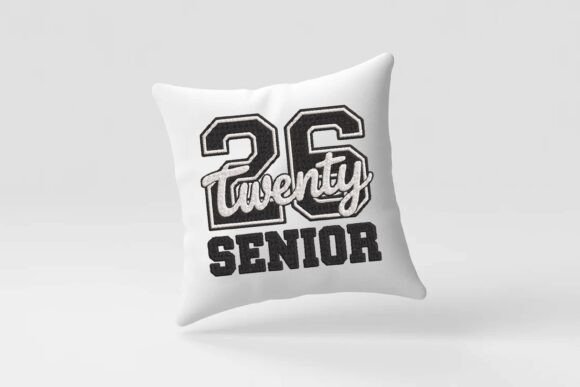
Senior Twenty 26 Varsity Embroidery File Review
As an experienced embroidery designer who has spent years refining the art of digitizing for commercial use, I approach every new asset with a critical eye. When evaluating a product like the Senior Twenty 26 Varsity Embroidery File, my focus shifts from simple aesthetics to practical application. Small business owners, Etsy sellers, and apparel decorators need more than just a pretty image; they require reliable design assets that translate perfectly from a digital screen to a finished physical product. This review analyzes how this specific machine embroidery design performs when integrated into branded merchandise, staff uniforms, and custom patches.
First Impressions and Design Personality
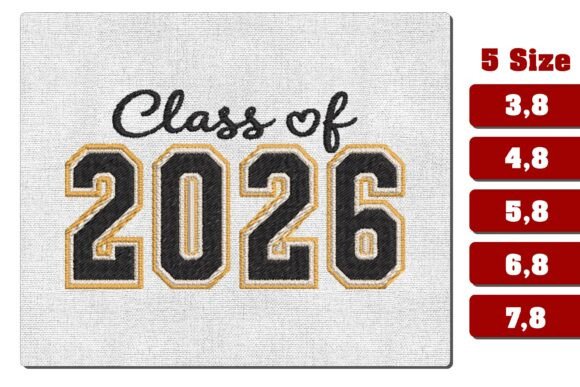
The title alone suggests a classic aesthetic rooted in tradition. The term "Varsity" immediately evokes feelings of achievement, school spirit, and timeless style. However, for a small business looking to create unique branding, it is crucial to determine if this design feels too academic or if it can be adapted for broader commercial use. Based on the available sizing options ranging from 3.8 inches to 7.8 inches, this file appears versatile enough to serve as a primary logo or a secondary accent mark.
In the context of modern branding, a design must balance professionalism with approachability. A varsity-style motif often communicates trust and longevity, which are essential traits for customer engagement. Whether you run a local bakery, a boutique florist, or a creative studio, the Senior Twenty 26 Varsity Embroidery File offers a structured look that can elevate the perceived value of your products. It feels polished and deliberate, making it suitable for items where durability and clear visual communication are paramount.
Real-World Business Applications
The true test of any digital embroidery file lies in its performance across various materials and project types. For small business merch creators, versatility is key. The multiple size options provided with the Senior Twenty 26 Varsity Embroidery File allow for strategic placement on different garments and accessories.
- Embroidered Patches: The smaller sizes, such as the 3.8-inch or 4.8-inch variants, are ideal for creating high-quality iron-on or sew-on patches. These can be applied to denim jackets, canvas tote bags, or even pet bandanas to add a touch of personality to handmade products.
- Staff Uniforms and Aprons: For service-oriented businesses like cafes or restaurants, consistency is vital. This design works exceptionally well as a chest logo on work shirts or apron embroidery. The clean lines typical of varsity styles ensure legibility even after repeated washing cycles.
- Cap Embroidery: One of the most popular uses for this type of file is cap embroidery. The medium sizes (5.8 to 6.8 inches) fit standard curved surfaces well, allowing businesses to brand hats for events, team outings, or promotional giveaways.
- Tote Bag Design: Canvas totes are a staple for crafters and retailers. Placing this design on the front panel creates a bold statement piece that customers are proud to carry, effectively turning them into walking billboards for your brand identity.
Furthermore, this design can serve as a subtle detail on product packaging accents or as a decorative element on graduation-themed merchandise. While the category suggests a link to Graduation, the classic varsity theme allows it to transcend seasonal trends, making it a valuable long-term investment for your design assets library.
Strategic Considerations and Limitations
While the potential applications are vast, an honest review must address where caution is required. Not every surface is suitable for every stitch pattern. When planning to use the Senior Twenty 26 Varsity Embroidery File, you must consider the fabric texture and the intended lifespan of the item.
Small patch sizes present a specific challenge. If you attempt to downscale the design beyond the recommended minimum of 3.8 inches, you risk losing fine details. Tiny lettering or intricate outlines may become muddled, especially on textured fabrics like heavy denim or loose-weave linen. In these cases, the design might lose its crispness, affecting the overall professional appearance of the finished product.
Additionally, dark uniforms require careful thread color selection. High stitch density is often necessary for varsity-style fills to prevent the underlying fabric from showing through, but excessive density can make the embroidery stiff and uncomfortable. On curved surfaces like caps, the distortion of the design must be accounted for during digitization or hooping. If the design relies heavily on detailed outlines, testing on the actual material is non-negotiable before committing to a large production run.
Impact on Brand Identity and Customer Trust
Visual consistency is the backbone of a strong brand identity. When a customer receives a handmade product or sees a staff member wearing a uniform, the quality of the embroidery speaks volumes about the business's attention to detail. A poorly executed stitch job can undermine customer trust, while a clean, professional finish enhances product value.
Using the Senior Twenty 26 Varsity Embroidery File correctly can significantly boost buyer engagement. A well-placed, high-quality embroidered patch on a tote bag or a neatly stitched logo on an apron signals that the business cares about quality. This perception of care translates directly into brand loyalty. The classic nature of the design ensures that your merchandise remains relevant over time, avoiding the pitfalls of fleeting trends that date your inventory quickly.
Practical Designer Notes for Production
Before integrating this file into your commercial workflow, there are several technical steps every embroiderer should take to ensure success. First, always test the design in black and white first. This helps you visualize the stitch density and spacing without the distraction of thread colors. It also reveals if the negative space is sufficient to maintain the design's integrity.
Review the thread color contrast carefully against your target fabric. A design that looks vibrant on a light background might disappear on a dark one. Inspect the spacing between elements to ensure nothing will clash when stitched. Confirm the hoop size requirements to avoid unnecessary trimming or re-hooping, which can lead to registration errors.
Testing on real fabric is perhaps the most critical step. Digital mockups are helpful, but they cannot replicate the tension and pull of a needle piercing actual material. Use proper stabilizer to support the fabric, especially for lightweight items like t-shirts or thin canvas. Create a printable mockup for client approval before starting mass production to manage expectations.
Finally, compare this design beside other design assets in your collection to ensure it aligns with your current brand guidelines. Most importantly, confirm commercial licensing terms. As a digital embroidery file buyer, you must verify that you have the right to use the Senior Twenty 26 Varsity Embroidery File for resale items, including custom apparel and branded patches. Without proper licensing, commercial projects can lead to legal complications.
In conclusion, the Senior Twenty 26 Varsity Embroidery File offers a robust foundation for small business merch and custom apparel projects. Its range of sizes and classic aesthetic make it a flexible tool for decorators and designers alike. By following best practices regarding fabric selection, stabilizer usage, and licensing, you can leverage this design to create high-quality finished products that stand out in a crowded marketplace.