Japanese Machine Embroidery File: A Designer's Honest Review
As a professional embroidery designer who has spent years refining designs for both personal hobbies and commercial ventures, I know that the difference between a good handmade product and a great one often lies in the digital file itself. Recently, I evaluated the Japanese Machine Embroidery File available on Creative Fabrica with the specific intention of using it for a real customer order. This review is not just about how the design looks on a screen, but how it performs when stitched onto fabric for a finished product.
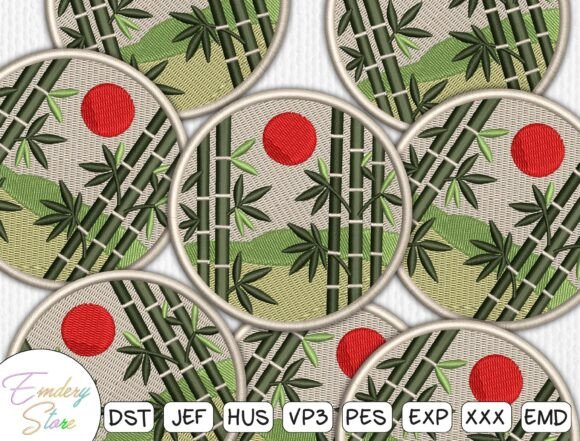
The design features the iconic Mount Fuji with its snow-capped peak surrounded by Sakura blossoms. The visual mood is undeniably serene, capturing the essence of traditional Japanese aesthetics. For designers looking to add an element of Asia inspired culture to their portfolio without overwhelming the viewer, this piece offers a balanced composition. It is a circular patch design, which immediately suggests versatility for various applications like caps, tote bags, or decorative pillows.
First Impressions and Design Personality
When I first opened the Japanese Machine Embroidery File, my immediate reaction was one of appreciation for the clean lines and the thoughtful use of negative space. In machine embroidery, less is often more, especially when dealing with small hoop sizes. The design avoids unnecessary clutter, allowing the snow-capped mountain and the delicate cherry blossoms to stand out as the focal points.
The stitch personality appears to be a harmonious blend of satin stitches for the outlines and fill stitches for the larger areas. This combination typically results in a smooth, high-quality finish that mimics hand-stitched elegance. The circular format is particularly clever; it frames the image perfectly, making it ideal for creating an embroidered patch or a centered motif on apparel. It feels ready to be integrated into a collection of design assets for a boutique brand.
Real-World Application: From Screen to Stitch
I considered several potential projects before deciding on a test run. The versatility of this embroidery file makes it suitable for a wide range of items. It could easily elevate a simple canvas tote bag design or add a touch of sophistication to a sweatshirt. For those selling on Etsy or at craft fairs, this design fits well within categories for kitchen towels, aprons, and nursery decor.
The aesthetic works beautifully for seasonal gifts, particularly around spring when cherry blossoms are in bloom. However, its timeless appeal means it can also serve as a year-round item for customers who appreciate minimalist art. When thinking about commercial embroidery products, the circular shape allows for easy placement on curved surfaces like baseball caps or even as a logo element on workwear.
For digital sellers, this design is a strong candidate for creating printable mockups. The high contrast and clear details translate well to digital images, helping potential buyers visualize the final result on their own products. Whether you are a small business owner looking to expand your catalog or a crafter making personalized gifts, the Japanese Machine Embroidery File offers a professional look that can justify a higher price point for your handmade product.
Practical Considerations for Execution
While the design is visually appealing, successful execution depends heavily on technical preparation. Before running this file on my production machine, I had to consider several practical factors that often trip up even experienced embroiderers.
- Hoop Size and Detail: Since this is a circular design, it may fit comfortably in a standard 4x4 inch hoop, but if you plan to enlarge it for a large sweatshirt chest print, you will need to ensure your machine can handle the increased size without losing detail. Always check the recommended hoop size provided on the Creative Fabrica product page.
- Stitch Density: Dense stitch areas can sometimes cause puckering, especially on lightweight fabrics. I recommend reviewing the stitch density in your digitizing software. If the fill areas seem too heavy, you might need to adjust the underlay or reduce the density slightly for better drape on stretchy fabric.
- Fabric Choice: The design shines on stable, medium-weight fabrics like cotton twill or denim. Using it on very thin or highly stretchy materials without proper stabilization can lead to distortion. Always use the correct stabilizer for your fabric type to maintain the integrity of the satin stitch and running stitch elements.
- Thread Color Contrast: To make the Mount Fuji pop, I suggest using white or light grey threads for the mountain against a darker background. Conversely, on light fabrics, a dark outline thread defines the shape effectively. Testing different thread colors is crucial before committing to a full production run.
Affordability and Value for Sellers
One of the most compelling aspects of using a digital embroidery file from Creative Fabrica is the value proposition. For creative entrepreneurs, acquiring a high-quality machine embroidery design at an accessible price point allows for rapid prototyping and testing of new ideas. This particular design adds significant perceived value to a finished item.
Customers often pay a premium for items that feature intricate, culturally rich designs. The Japanese Machine Embroidery File provides that level of detail and thoughtfulness. It enhances brand consistency if you are building a line of products with an Asian-inspired theme. Furthermore, the clean design ensures that your finished product looks polished in product photography, which is essential for driving sales online.
When creating a personalized gift or a custom order, the quality of the stitching reflects directly on your reputation. A well-executed applique design or a precise fill stitch pattern builds buyer trust and encourages repeat business. This file serves as a reliable tool for generating custom apparel that stands out in a crowded marketplace.
Final Verdict and Next Steps
After reviewing the Japanese Machine Embroidery File and considering its potential for real-world projects, I am confident in its utility for both hobbyists and professionals. It strikes a perfect balance between artistic expression and technical feasibility. The design is versatile enough for kitchen towels and robust enough for apparel decorators working on heavier garments.
However, before you download and start stitching, remember to inspect the file details thoroughly. Check the license terms to ensure you have the right to sell finished items if that is your goal. Verify the file formats and compatibility with your specific embroidery machine. Conduct a test stitch on scrap fabric to confirm the stitch density and alignment. By taking these precautions, you ensure that your handmade product meets the highest standards of quality.
If you are looking to add a touch of serenity and elegance to your next project, this embroidery file is a worthy addition to your collection. It is a testament to the beauty of machine embroidery when executed with care and precision. Whether you are crafting a unique pillow cover or launching a new line of boutique merchandise, the Japanese Machine Embroidery File offers a solid foundation for success.