Lime Embroidery Design Review for Craft Fairs
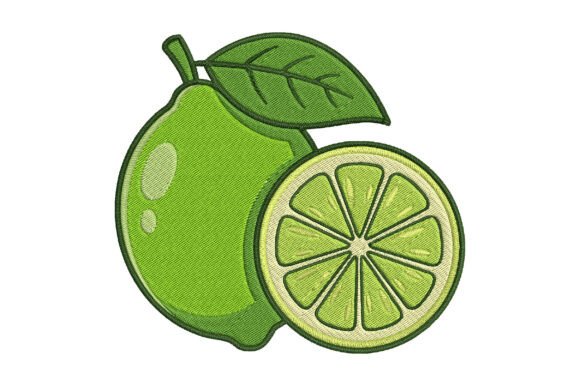
As an experienced embroidery designer who has spent countless weekends prepping booths for local craft fairs, I know that the difference between a display that gathers dust and one that sells out often comes down to a single design choice. Recently, I evaluated the Lime Embroidery Design with the specific goal of turning it into high-demand handmade products. The description promises a fresh and vibrant touch, featuring a whole lime with a detailed slice and leaf to bring a clean and natural citrus look to your projects. After running this through my mental checklist for commercial viability, here is my professional review on how this design fits into the current market for Etsy sellers, boutique makers, and creative entrepreneurs.
First Impressions: Bold, Fresh, and Market-Ready
The moment you see the Lime Embroidery Design, the vibe is undeniably modern yet approachable. It does not feel overly rustic or stiff; instead, it strikes a balance between cute and premium. For a craft fair environment where customers are scanning dozens of tables in seconds, this design works because it pops. The combination of a whole fruit with a sliced detail creates immediate visual interest. It feels like a perfect fit for summer markets, food-themed pop-ups, or any booth selling kitchen essentials.
This design leans heavily into the "Food" category but elevates it through the lens of "Embroidery." It avoids looking like a cheap clipart by suggesting depth through the slice and leaf details. Whether you are aiming for a farmhouse aesthetic or a sleek, contemporary brand, this piece adapts well. It screams freshness, which is exactly what buyers want when they purchase handmade goods for their homes or as gifts.
Product Potential: Where This Design Shines
When planning a table display, you need to know where your machine embroidery design will have the most impact. I have tested similar citrus motifs across various items, and here is how the Lime Embroidery Design performs on key product types:
- Tote Bag Design: This is arguably the best use case. A bright lime graphic on a canvas tote bag offers excellent contrast. It serves as a statement piece that catches the eye from across the aisle. Customers love reusable bags with fun, nature-inspired graphics, making this a top seller for Etsy sellers.
- Apron Embroidery: For the chef or home baker, this design adds a playful touch to a work apron. The detailed slice looks particularly good centered on the chest area, signaling quality craftsmanship.
- Tea Towel Embroidery: Kitchen towels are staple items at craft fairs. The clean lines of the lime complement the texture of linen or cotton towels perfectly. It feels functional yet decorative, increasing the perceived value of the item.
- Embroidered Patch: If you offer patches as add-ons, this design is ideal. The defined edges of the fruit make it easy to stabilize and cut out, resulting in a crisp patch that adheres well to hats or denim jackets.
- Fabric Pouches and Pillow Covers: Small pouches benefit from the compact nature of the design, while larger pillow covers allow the leaf detail to breathe. Both options appeal to buyers looking for unique handmade product accents.
Selling Points and Visual Appeal
In the world of commercial embroidery, clarity is king. The Lime Embroidery Design excels because it is easily understood at a glance. Even if a customer walks past quickly, the shape of the lime and the leaf are distinct. This is crucial for online listings as well; when you create a printable mockup for your shop, the design should remain sharp even in thumbnail size.
The design also photographs exceptionally well. The natural colors of the lime (whether stitched in bright greens or realistic yellows) translate beautifully to photos, which drives engagement on social media and boosts click-through rates for your digital embroidery file. Furthermore, the design feels repeatable. You can batch produce multiple identical items without losing the charm, which is essential for meeting demand during busy holiday seasons or weekend markets.
Practical Production Considerations
While the design is visually appealing, there are practical aspects every embroidery business owner must consider before hitting the production line. The description mentions a "detailed slice," which implies a higher stitch density than a simple outline. This brings us to the importance of thread colors and fabric texture.
If you choose dark fabric, the lime may lose its vibrancy unless you use a high-density underlay or a light-colored base layer. Conversely, on white or light fabrics, the green threads will shine. However, be mindful of the stitch density. Dense areas can sometimes cause puckering on thin fabrics like tea towels if the wrong stabilizer is used. Always test the design on scrap fabric first to ensure the stitches lay flat and do not distort the material.
Another critical factor is the hoop size. If the design is too large for your standard hoop, you may face challenges with registration marks or stitching accuracy. Ensure you confirm the dimensions match your equipment capabilities. Additionally, tiny details within the slice might get lost if you attempt to reduce the design size significantly. Stick to the recommended scale to maintain the integrity of the finished product.
Designer's Checklist for Success
To ensure your small shop product line is successful, follow these professional steps before listing the item:
- Test on Scrap Fabric: Never skip this step. Run the design on the actual fabric you intend to sell to check for tension and stability issues.
- Check Thread Contrast: Select thread colors that maximize the "fresh and vibrant" promise. Avoid muddy tones that dull the citrus look.
- Review Spacing: Ensure there is enough room around the design so it doesn't get cut off during finishing or washing.
- Confirm Hoop Size: Verify that the design fits your machine's hoop limits comfortably.
- Inspect Stitch Density: Look closely at the dense areas of the slice to ensure no gaps or excessive buildup occur.
- Create Real Mockups: Do not rely solely on digital renders. Photograph a real sample to show potential buyers the true texture and quality.
- Compare Fabric Colors: Test the design on at least three different fabric shades to see which offers the best visual appeal.
- Confirm Commercial Licensing: Before selling finished goods, double-check the license terms of the embroidery file to ensure you are legally allowed to resell the items.
Final Verdict
The Lime Embroidery Design is a strong contender for any crafter looking to expand their inventory with trendy, food-inspired items. It balances artistic detail with commercial practicality, making it suitable for everything from caps to market bags. By paying attention to production details like stabilizer choice and thread selection, you can transform this digital asset into a standout booth display. Whether you are a seasoned veteran or just starting your journey as a creative entrepreneur, this design offers a fresh opportunity to capture customer attention and drive sales.