Burger Embroidery Design Review
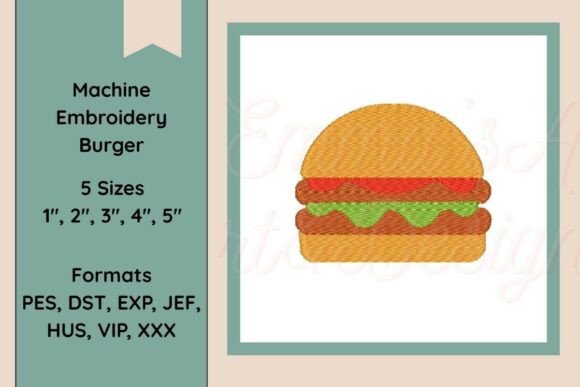
As an experienced embroidery designer who has spent years refining digital assets for commercial use, I often find myself evaluating new files not just on their aesthetic appeal, but on their viability as a tool for small business growth. When I first encountered the Burger Embroidery Design, specifically described as a Burger Machine Embroidery Design featuring filled stitches and a fast-food theme, my mind immediately went to practical application. This is not merely a decorative element; it is a potential cornerstone for branded merchandise, staff uniforms, and product labels. In this review, I will dissect how this design performs in real-world scenarios for apparel decorators, Etsy sellers, and boutique owners.
The First Impression: Playful Yet Professional
The initial description of the Burger Embroidery Design highlights its "filled stitch" nature and "fun fast-food touch." From a design perspective, this suggests a piece that prioritizes visual impact over delicate intricacy. Filled stitches are excellent for creating bold, solid shapes that stand out against various fabric textures. For a brand identity, this design feels approachable, energetic, and distinctly modern. It avoids the stiffness of overly traditional monograms while maintaining enough structure to look professional rather than amateurish.
For a bakery, café, or handmade shop, this design strikes a balance between rustic charm and contemporary style. It does not scream "cheap," but rather invites the customer into a friendly, welcoming atmosphere. The detailed nature mentioned in the title implies that even at smaller scales, the burger motif retains its character, which is crucial for items like cap embroidery or apron embroidery where space is limited.
Real-World Business Applications
The true test of any embroidery file lies in its versatility across different products. I have analyzed how the Burger Embroidery Design could integrate into a comprehensive merchandising strategy for a small business.
- Embroidered Patches: This design is a prime candidate for custom patches. Whether used as a chest logo accent on denim jackets or a standalone patch on tote bags, the filled stitch technique ensures durability. A high-quality embroidered patch featuring this design can instantly elevate a plain garment, making it a desirable collectible for customers.
- Staff Uniforms and Aprons: For a café or food truck, branding staff is essential. Placing this design on work shirts or aprons creates a cohesive team look. The playful nature of the burger motif fits perfectly with the casual, service-oriented environment of a restaurant, fostering a sense of fun among the team.
- Caps and Headwear: Cap embroidery requires precision, but a bold design like this works well on curved surfaces. It serves as an immediate identifier for the brand, turning every employee into a walking billboard.
- Tote Bags and Product Packaging: Adding a digital embroidery file to canvas tote bags or even as a tag on product packaging adds a tactile, premium feel. Customers appreciate the extra effort put into the presentation, which increases perceived value.
- Etsy Branding and Craft Assets: For sellers on platforms like Etsy, using this design on tags or hangtags helps establish a consistent brand identity. It transforms generic packaging into a branded experience, encouraging repeat purchases and social media sharing.
Strategic Considerations and Limitations
While the Burger Embroidery Design holds significant promise, an experienced designer knows that execution is everything. There are specific scenarios where this design requires careful handling to ensure the finished product meets professional standards.
Size Constraints: If you intend to use this design for tiny lettering or very small patch sizes, caution is advised. Detailed outlines and high stitch density can sometimes become muddy when scaled down too much. Always verify the minimum recommended size before production.
Fabric and Surface Challenges: Textured fabrics can hide the details of a filled stitch design. Similarly, dark uniforms may require additional underlay or thread changes to ensure the colors pop. Curved surfaces, such as the front of a baseball cap, demand a hoop size and digitization that accounts for the curvature, or the design may appear distorted.
Maintenance and Durability: Items that need frequent washing, such as aprons or work shirts, must be constructed with proper stabilizers. Without the right support, high-density designs like this can cause the fabric to pucker or the threads to break down prematurely.
Impact on Brand Identity and Customer Trust
In the competitive landscape of small business, visual consistency is key. A well-executed Burger Embroidery Design signals professionalism and attention to detail. When customers see a uniformed staff member wearing a crisp, well-stitched logo, it builds trust in the quality of the food or service they are about to receive.
This design also enhances product value. A tote bag with a custom embroidered logo feels more substantial than one with a printed graphic. It communicates that the brand cares about longevity and craftsmanship. Furthermore, a playful yet polished design encourages buyer engagement, making the merchandise something people actually want to wear or display.
Practical Designer Notes for Production
Before committing to a full production run, I strongly recommend following these steps to ensure the commercial embroidery project is successful.
- Test in Black and White: Create a simple mockup to see how the shapes hold up without the distraction of color. This helps assess the balance and spacing of the design elements.
- Check Stitch Density: Review the design to ensure the stitch density is appropriate for the intended fabric. Too dense, and the fabric will stiffen; too light, and the coverage will look sparse.
- Thread Color Contrast: Select thread colors that offer strong contrast against your target fabric. The "fun" aspect of the design relies on vibrant, legible colors.
- Hoop Size Verification: Confirm the hoop size required by the design file. Ensure your machine can accommodate the dimensions without cropping essential details.
- Fabric Testing: Always test the design on the actual fabric you plan to use. Different materials react differently to stabilizer and needle penetration.
- Create a Printable Mockup: Before stitching, generate a printable mockup for client approval. This allows stakeholders to visualize the final finished product and catch any issues early.
- Licensing Confirmation: Verify that you have the correct commercial licensing to use the embroidery design on items you intend to sell. Do not assume personal use covers business applications.
By treating the Burger Embroidery Design with the same rigor as a custom vector illustration, you can transform a simple fast-food motif into a powerful asset for your brand. Whether you are outfitting a new team, launching a line of handmade goods, or adding a unique touch to corporate gifts, this design offers the flexibility and visual punch needed to succeed in today's market.