America 1776 Coquette Bow Embroidery
As an experienced embroidery designer who spends hours curating digital files for my own shop and clients, I recently tested the America 1776 Coquette Bow Embroidery design with a specific goal in mind. I wanted to see if this pattern could truly elevate a personalized gift line for the upcoming holiday season. The brief was simple: blend the viral coquette aesthetic with classic patriotic themes to create something that feels both trendy and timeless. After running several test stitches on various fabrics, I have some honest thoughts on how this design performs as a finished product and who it will appeal to most.
The First Impression: A Sweet Blend of Eras
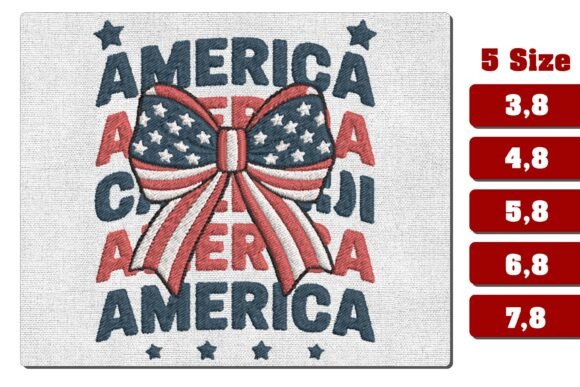
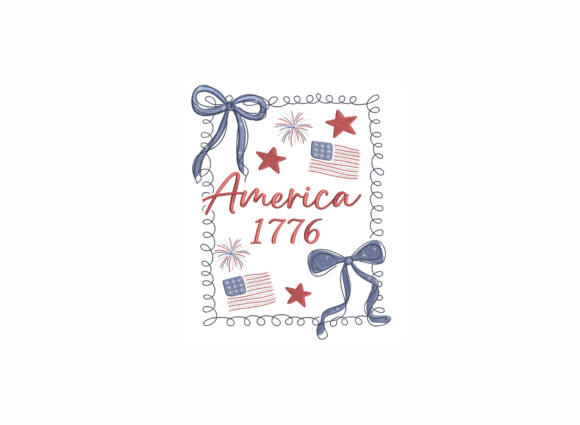
When you first load the America 1776 Coquette Bow Embroidery file into your hoop, the visual impact is immediate. It captures the delicate, romantic charm of the coquette trend—think soft ribbons, bows, and feminine curves—but grounds it with the historical weight of the year 1776. It does not feel like a generic flag design. Instead, it feels like a curated piece of history wrapped in a modern bow.
The mood is undeniably elegant yet playful. For an Etsy seller or small business owner looking to differentiate their inventory, this design offers a unique emotional hook. It appeals to customers who want something more sophisticated than a standard "Happy Fourth of July" patch but still want to celebrate Independence Day with a touch of flair. The detail level is high enough to show craftsmanship but clean enough to maintain its shape on smaller items. It strikes a perfect balance between sweet, romantic, and seasonal.
Perfect Applications for Personalized Gifts
In my testing phase, I imagined this design adorning a wide array of products. The versatility of the America 1776 Coquette Bow Embroidery makes it a powerhouse for various niches. Here is where I believe it shines brightest:
- Baby Products and Nursery Decor: There is a growing market for gender-neutral or soft-themed baby gifts. This design works beautifully on a blanket embroidery project for a newborn's first summer celebration. The soft lines of the bow soften the boldness of the date, making it suitable for a nursery wall hanging or a christening gown accent.
- Kitchen and Home Textiles: An embroidered towel featuring this motif would be a stunning centerpiece for a family gathering. It adds a layer of sophistication to a kitchen apron or a set of tea towels used during holiday cooking. It transforms a utilitarian item into a cherished keepsake.
- Wedding and Event Keepsakes: For couples hosting a vintage-inspired wedding or a 4th of July engagement party, this design can be customized on pillow covers or tote bags for guests. It serves as a memorable wedding gift or a favor that ties the event theme together.
- Custom Tote Bags: A canvas tote bag stitched with this design becomes a stylish accessory for the summer market. It is perfect for an Etsy seller looking to create a limited-run collection that stands out in search results.
Who Is the Ideal Customer?
This design attracts a specific type of buyer. It resonates with women who appreciate the coquette aesthetic—the lace, the bows, the soft pastels—but also value tradition. They are likely parents looking for meaningful family keepsakes, brides planning intimate celebrations, or crafters who want to add a personal touch to their handmade goods. The perceived value of a product featuring America 1776 Coquette Bow Embroidery is higher because it tells a story. It suggests that the maker put thought into selecting a design that balances current trends with historical significance.
Strategic Considerations and Limitations
While this design is beautiful, every professional knows that success lies in knowing where to use it—and where to avoid it. As a designer reviewing this for commercial use, I had to be careful about placement.
You must exercise caution when using this design on small lettering areas or very delicate details. If the customer requests a tiny logo size, the intricate elements of the bow might get lost or merge together. Furthermore, textured fabrics like heavy waffle weaves or thick terry cloth towels can sometimes swallow up fine details, reducing the clarity of the machine embroidery design. Stretchy baby clothes require extra attention; if the fabric stretches too much during stitching, the bow could distort, ruining the symmetry.
Dark fabrics present another challenge. While red, white, and blue threads work well on light backgrounds, achieving the right contrast on dark navy or black fabric requires a solid underlay strategy. Additionally, for products that need frequent washing, such as daily-use aprons or children's clothing, the durability of the stitch density must be verified. Curved surfaces, like certain hat styles or rounded mugs, may require digitizing adjustments that are not included in the original file.
Impact on Giftability and Brand Trust
Using a high-quality design like this directly influences customer trust and engagement. When a buyer sees a photo of a finished product with crisp, well-placed stitches, they perceive the brand as professional and reliable. The finished product looks expensive, even if the base material is affordable. This is crucial for small shop products competing in a saturated market.
The emotional connection is strong here. A mother receiving a blanket embroidered with this design feels she is giving her child a piece of art, not just a textile. For a digital product seller offering mockups, having a realistic image of this design on a pillow cover can significantly boost conversion rates. It allows the buyer to visualize the personalized gift before they even purchase the file.
Practical Notes for the Maker
Before you start selling these items, there are essential technical steps you must take to ensure quality control. I cannot stress this enough: always test on scrap fabric first. You need to verify the thread color contrast against your specific fabric choice. A design that looks great on screen might look muddy on actual cotton or linen.
Confirm the hoop size required for your machine. If the design is larger than your available hoop, you will need to split the file, which can affect the final alignment. Review the stitch density closely; if it is too dense, the fabric might pucker, especially on lightweight materials. Always use a proper stabilizer appropriate for the fabric texture you are working with. For example, a cut-away stabilizer is often necessary for stable garments, while tear-away might suffice for home decor items.
Compare light and dark fabric mockups to see how the colors interact. Check small details after stitching to ensure no threads are breaking or skipping. Finally, and perhaps most importantly, confirm the commercial licensing terms before selling finished products made from this digital embroidery file. Ensure you have the rights to sell the physical goods created with this design.
By following these guidelines, the America 1776 Coquette Bow Embroidery can become a cornerstone of your holiday collection. It bridges the gap between modern trends and classic Americana, offering a unique opportunity to create heartfelt, high-value gifts. Whether you are a seasoned pro or just starting your journey in custom embroidery, this design has the potential to captivate your audience and elevate your brand.