We the People 1776 Embroidery Review
As a professional embroidery designer who has spent years refining digital files for commercial use, I approach every new design with a critical eye. When evaluating We the People 1776 Embroidery, I am not just looking at the visual appeal; I am assessing its viability as a core asset for small business merchandise and branded patches. This piece of Independence Day themed art carries significant weight, but does it translate effectively from a screen to a finished product on a tote bag or a staff uniform? In this review, I will break down how this machine embroidery design performs in real-world business scenarios.
First Impressions: Personality and Professionalism
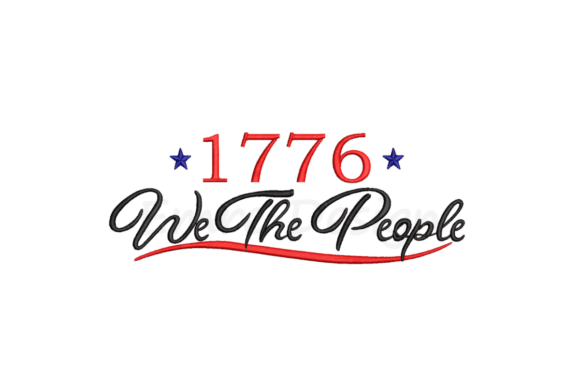
The title alone suggests a blend of historical reverence and modern patriotism. The description promises a "fun and whimsical touch," which immediately signals that this is not a stiff, corporate logo. Instead, it feels approachable, friendly, and perhaps slightly rustic or handmade. For a boutique, a local bakery, or a creative studio, this vibe is often exactly what they need to build a connection with their community. It avoids the coldness of mass-produced graphics while maintaining enough structure to look intentional.
However, the word "whimsical" requires caution. In the world of embroidery file production, whimsy can sometimes lead to stitch density issues if the artist did not account for thread thickness. A design that looks perfect on a monitor might become a tangled mess of thread if the stitch density is too high for smaller applications. My initial assessment is that We the People 1776 Embroidery leans towards a decorative style that works best when paired with clean, simple backgrounds. It sets a tone of authenticity, which is crucial for brands selling handmade products.
Real-World Applications for Small Business Merch
The true test of any digital embroidery file is its versatility across different mediums. Let's imagine a scenario where a local coffee shop wants to launch a line of branded merchandise. They could utilize We the People 1776 Embroidery as a central element on an apron. The patriotic theme fits well with morning rituals and community gatherings. Alternatively, a florist might use it on a tote bag design for a summer sale event, adding a splash of personality to customer carry-alongs.
This design also shines when converted into an embroidered patch. Patches are a staple for custom apparel, allowing businesses to add branding without committing to full garment customization. Imagine a team of volunteers for a community garden wearing vests adorned with this patch. It creates a sense of unity and shared purpose. For a pet brand, placing this motif on a cap embroidery project could be a unique way to celebrate national holidays while promoting the brand.
I have seen similar designs used successfully as chest logo accents on work shirts or as sleeve details on denim jackets. The key is scale. If the design is too large, it overwhelms the garment; if it is too small, it loses impact. When used correctly, We the People 1776 Embroidery elevates the perceived value of the item, turning a standard t-shirt into a collectible piece of small business merch.
Strategic Branding Opportunities
- Event Merchandise: Perfect for July 4th markets, parades, or community festivals where businesses want to show local pride.
- Customer Gifts: Adding this design to a thank-you note package or a loyalty program reward adds a personal, curated touch.
- Product Packaging Accents: A small embroidered label inside a clothing box or on a craft supply bag reinforces the brand identity.
Potential Pitfalls and Design Limitations
While the potential is high, there are specific areas where We the People 1776 Embroidery requires careful handling. As an experienced designer, I must warn against using this design for tiny lettering or extremely small patch sizes. If the original file contains intricate details or thin outlines, they may disappear or merge together when stitched at a reduced scale. This is particularly risky for cap embroidery, where the curved surface already distorts the perception of detail.
Another critical consideration is fabric texture. On rough fabrics like heavy canvas or textured wool, fine details can get lost. Conversely, on smooth synthetics, the design might sit too high or feel stiff. Dark uniforms present another challenge; unless you plan to use a heavy underlay or specific thread colors, the design might lack contrast. If the goal is to place this on a dark apron, you must ensure the thread colors chosen provide enough pop against the background.
Frequent washing is also a factor. Designs with high stitch counts or loose edges can fray over time if not stabilized correctly. If you are producing commercial embroidery items intended for daily wear, such as staff uniforms, you must verify that the design holds up to industrial laundering. Always test the durability before rolling out a full production run.
Impact on Brand Identity and Customer Trust
In the competitive landscape of Etsy sellers and product designers, visual consistency is king. Using a cohesive design language builds brand identity and fosters customer trust. We the People 1776 Embroidery offers a distinct aesthetic that says "community-focused" and "American-made." When customers see this design consistently applied across your finished product line, it reinforces professionalism.
A well-executed embroidered patch or logo on a tote bag acts as a walking advertisement. It signals that the business cares about quality and presentation. This attention to detail increases buyer engagement and encourages word-of-mouth marketing. However, if the execution is poor—such as loose threads or misaligned stitching—it can damage credibility. Therefore, the success of this design relies heavily on the skill of the embroiderer and the quality of the materials used.
Practical Designer Notes for Production
Before you commit to a large batch of custom apparel, follow these essential steps to ensure success with We the People 1776 Embroidery:
- Test in Black and White: Create a grayscale mockup to check contrast levels. Ensure the text remains legible even without color.
- Check Stitch Density: Inspect the file for areas where stitches might crowd each other. High density can cause puckering, especially on lightweight fabrics.
- Verify Hoop Size: Confirm that the design fits within your standard hoop sizes. If the design exceeds the hoop limit, you may need to split it or re-digitize it.
- Use Proper Stabilizer: Always match the stabilizer type (cut-away, tear-away, or water-soluble) to the fabric weight to prevent distortion.
- Create a Printable Mockup: Before cutting fabric, generate a printable mockup to visualize the placement on the actual garment or accessory.
- Review Thread Colors: Select thread colors that complement the fabric. Avoid using light threads on dark fabrics without a proper underlay.
- Confirm Commercial Licensing: This is non-negotiable. Ensure you have the right to use We the People 1776 Embroidery for commercial purposes. Check the license terms provided by the designer to avoid legal issues.
- Inspect Spacing: Ensure there is adequate space between the design and the garment edges to prevent needle strikes.
If the product description does not explicitly state the exact stitch count, file format, or recommended hoop size, do not guess. Contact the designer or refer to the technical specifications sheet. Guessing can lead to wasted materials and frustrated customers.
Final Thoughts on Design Assets
We the People 1776 Embroidery is a versatile tool in the arsenal of any small business owner looking to expand their design assets. Whether you are creating branded patches, updating staff uniforms, or launching a seasonal collection, this design offers a charming and patriotic flair. By understanding its strengths and respecting its limitations, you can transform a simple digital file into a premium, recognizable brand element.
Remember, the goal is not just decoration; it is about building a lasting impression. Take the time to test, refine, and execute with care. When done right, your embroidery shop or handmade brand will stand out, offering customers a tangible piece of quality that they will cherish for years to come.