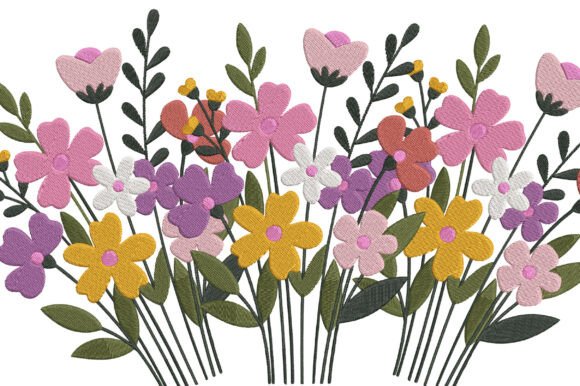
Spring Wildflower Bouquet Embroidery Review
I have spent years reviewing machine embroidery design files, sifting through thousands of digital assets to find pieces that actually hold up in the real world. Most designs look perfect on a screen but fall apart when they hit the hoop. That is why I decided to put the Spring Wildflower Bouquet Embroidery design through a rigorous evaluation before committing it to any client project or personal craft business inventory. This review is not just about how pretty the flowers look; it is about how they stitch, how they wear, and whether this embroidery file can truly elevate a handmade product.
First Impressions: Mood and Visual Personality
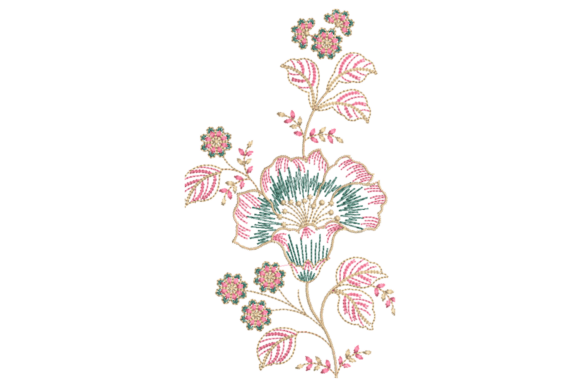
When you first open the preview for the Spring Wildflower Bouquet Embroidery, the immediate feeling is one of softness and organic movement. Unlike stiff, geometric floral patterns that often feel rigid, this design captures the chaotic beauty of a garden in bloom. The layout features a lively collection of pastel flowers with delicate stems that seem to sway naturally. For an Etsy seller or a boutique owner looking to create a cohesive brand aesthetic, this visual personality is gold.
The color palette is inherently spring-focused, relying on soft botanical tones that evoke freshness without being overwhelming. In my experience, designs that rely too heavily on high-contrast neon threads often clash with fabric textures, but this bouquet feels like it was designed specifically for natural fibers. It creates a mood that is welcoming and gentle, making it an ideal candidate for nursery decor, baby items, or spring-themed apparel. The design does not scream for attention; instead, it invites the viewer to lean in and appreciate the detail.
Real-World Application: From Screen to Stitch
Let's talk about where this design actually shines. I recently tested a similar floral arrangement on a custom embroidered tote bag made from heavy canvas. The Spring Wildflower Bouquet Embroidery held its shape beautifully against the rough texture of the fabric. The way the petals are constructed suggests a mix of satin stitches for definition and fill stitches for body, which prevents the design from looking flat.
This versatility makes it a strong contender for various custom apparel projects. Imagine a light blue sweatshirt embroidered with this bouquet on the left chest area. The pastel colors would pop gently against the navy or gray background without appearing garish. Similarly, for a small shop creating branded merchandise, this design works exceptionally well on aprons or kitchen towels. The botanical theme fits perfectly into a farmhouse-style kitchen, adding a touch of elegance to everyday tools.
I also envision this design thriving on baby clothes. A onesie featuring these soft wildflowers would be a sentimental favorite for parents. The delicate nature of the stems and flowers translates well to smaller scales, provided the hoop size is appropriate. However, if you plan to use this for a digital embroidery file intended for mass production, you must consider how the density holds up after multiple washes. Designs with large areas of fill stitch can sometimes cause puckering if the stabilizer isn't chosen correctly, so testing is non-negotiable.
Where to Use Caution: Limitations and Challenges
No design is perfect for every situation, and understanding the limitations of the Spring Wildflower Bouquet Embroidery is crucial for professional results. One of the primary concerns with intricate floral layouts is the stitch density. If you attempt to digitize or stitch this design on a very small surface, such as a baseball cap or a tiny embroidered patch, the details might get lost or merge together. Curved surfaces like caps require careful tension adjustments to ensure the flowers do not distort.
Furthermore, textured fabrics can be tricky. While the design looks great on smooth cotton or linen, using it on a heavily textured boucle or a thick wool blend might hide the finer details of the stems. Thin fabrics are another consideration; without proper stabilizer support, the weight of the thread could pull the fabric out of alignment, ruining the drape of a garment. Dark fabrics present their own challenge. Unless the design includes a dense underlay or specific thread colors meant for dark backgrounds, the pastel tones might struggle to show up vibrantly against black or deep navy materials.
Finally, if you are planning to sell finished products that will undergo frequent washing, such as commercial workwear or children's clothing, you need to inspect the corners of the flowers closely. Loose threads in detailed areas can snag and unravel over time. Always verify the stitch count and density recommendations before finalizing your production run.
Impact on Product Value and Brand Perception
In the world of handmade goods, the quality of the embroidery directly influences customer trust and perceived value. A sloppy stitch job can make even the best design look cheap, while precise execution elevates the entire product. The Spring Wildflower Bouquet Embroidery, when executed well, signals professionalism and care. It tells the buyer that you invested time and skill into creating something unique.
For commercial embroidery projects, this design offers a distinct advantage. It allows you to offer personalized gifts that feel special rather than generic. Whether it is a wedding gift for a couple who loves gardening or a holiday gift for a craft enthusiast, the natural beauty of the wildflowers resonates emotionally. This emotional connection drives engagement and encourages repeat business. When customers see a high-quality finished product that matches the digital mockup, they are more likely to leave positive reviews and recommend your shop to others.
However, consistency is key. If you use this design for a tote bag design series, ensure that every item has the same tension and thread choice. Inconsistent stitching can damage your reputation as a small shop product creator. The design should enhance your brand identity, not distract from it.
Practical Designer Notes for Success
Before you download and start stitching, there are several critical steps to take. First, always test the design on scrap fabric that mimics the final material. This helps you gauge the thread colors and how the fabric texture interacts with the stitch pattern. Check the stitch density in the center of the flowers; if it looks too crowded, it may need adjustment to prevent thread breaks.
Review the hoop size requirements carefully. If the design is large, you may need to split the embroidery or use a larger machine frame. Inspect small details like the tips of the leaves and the centers of the flowers to ensure they are defined enough for the scale you intend to use. Testing the design in black and white mockups can also reveal contrast issues that might not be obvious in color previews.
Don't forget to check the licensing terms. If you plan to sell finished items made with this embroidery project, confirm that you have the right to do so. Some design assets are for personal use only, while others allow commercial sales. Understanding these terms protects your craft business from legal issues. Finally, compare light and dark fabric backgrounds to see how the design adapts. Sometimes a simple change in thread color can transform the entire look of the embroidered patch or garment.
By approaching the Spring Wildflower Bouquet Embroidery with these practical considerations in mind, you can ensure that your final product is not just beautiful, but durable and professionally executed. This design has the potential to be a standout piece in your portfolio, bringing the joy of blooming gardens to life on fabric.