Plant in a Pot Embroidery Design Review
As an experienced embroidery designer who has spent years refining digital files for commercial production, I approach every new asset with a critical eye. When evaluating the Plant in a Pot Embroidery Design, my focus shifts immediately from artistic appreciation to practical application. For small business owners, Etsy sellers, and apparel decorators, a design is not just a picture; it is a brand asset that must withstand the rigors of production and frequent washing. This review examines how this botanical motif performs as a tool for building brand identity across various merchandise categories.
First Impressions: Visual Personality and Brand Fit
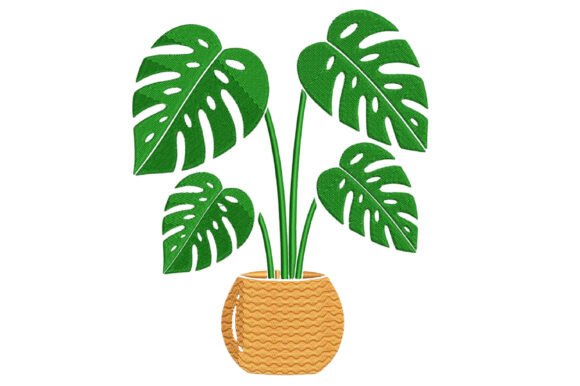
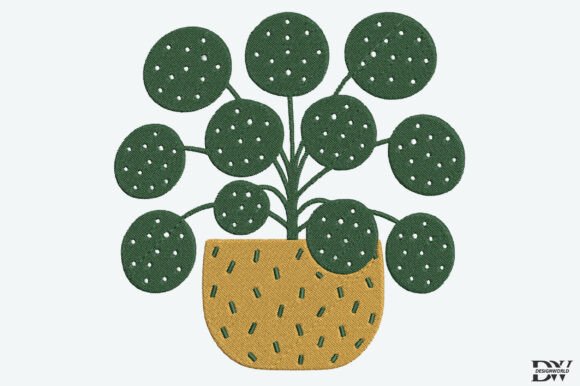
The description of the Plant in a Pot Embroidery Design highlights "clean and elegant greenery details." In the world of commercial embroidery, clean lines are paramount. A design that feels too cluttered often loses definition when stitched on small surfaces like cap fronts or apron pockets. From a professional standpoint, this design appears to strike a balance between rustic charm and modern professionalism. The imagery of a potted plant suggests growth, care, and organic quality, making it an ideal candidate for businesses in the floral, bakery, boutique, or lifestyle sectors.
Unlike bold, graphic logos that demand attention, this design offers a subtle sophistication. It conveys a "handmade product" vibe without appearing amateurish. For a creative studio or a local florist, this aesthetic aligns perfectly with customer expectations of authenticity. However, if your brand identity relies on high-tech minimalism or industrial grit, this botanical element might feel slightly out of place. The key here is visual consistency; the design must reinforce the story you are telling your customers through your brand identity.
Real-World Application for Small Business Merch
When considering where to deploy the Plant in a Pot Embroidery Design, the possibilities are extensive but require strategic placement. Let's look at specific scenarios where this file could elevate a product line.
- Embroidered Patches: This design is highly suitable for creating custom patches. Whether sewn onto denim jackets, canvas backpacks, or limited-edition tote bags, the potted plant serves as a standalone logo. For a handmade shop, these patches can be sold as collectibles or used as premium add-ons to orders.
- Staff Uniforms and Aprons: For a café or bakery, placing this design on the left chest area of a work shirt or centered on a chef's apron adds a touch of warmth. It humanizes the staff uniform, signaling that the employees are part of a nurturing environment rather than a faceless corporation.
- Cap Embroidery: A compact version of the Plant in a Pot Embroidery Design works well on structured caps. It acts as a memorable accent that stands out against the fabric texture without overwhelming the wearer.
- Tote Bag Design: Tote bags are a staple for crafters and event merch. This design fits beautifully on the side panel or bottom corner of a canvas bag, turning a simple utility item into a walking advertisement for the business.
- Product Packaging Accents: Consider using this as a small detail on the neck tag of clothing items or as a decorative element on the lid of product boxes. These micro-details significantly increase perceived value and show attention to detail.
In each of these cases, the goal is to create a cohesive look. If you are selling a set of branded goods, the machine embroidery design should appear consistently across all items, whether it is a patch on a hat or a direct stitch on an apron.
Strategic Limitations and Placement Risks
While versatile, no single design is perfect for every application. As a designer reviewing this for commercial use, I must highlight areas where caution is required. The success of the final product depends heavily on the physical constraints of the item being embroidered.
Small Patch Sizes: If you plan to shrink this design down to a tiny lapel pin size (under 1.5 inches), the "elegant greenery details" may become muddy. Fine lines tend to merge during the stitching process, especially on curved surfaces. Always test the design at its intended minimum size before mass production.
Curved Surfaces: Embroidering on the front of a baseball cap presents unique challenges. The curvature can distort the pot shape if the hoop is not adjusted correctly. Furthermore, thread tension varies on curved panels, which can lead to puckering around the detailed outlines of the leaves.
Fabric Texture and Density: High stitch density is common in detailed designs. On textured fabrics like heavy denim or thick fleece, the needle penetration can be difficult, leading to skipped stitches. Conversely, on slippery synthetic blends, the stabilizer choice becomes critical to prevent the design from shifting.
Detailed Outlines: Designs with intricate outlines require careful thread color selection. If the outline color clashes with the background fabric, the definition will be lost. Additionally, dark uniforms can hide lighter greenery details unless a high-density underlay is used to ensure coverage.
Impact on Brand Identity and Customer Trust
The decision to use a specific embroidery file goes beyond aesthetics; it impacts customer trust. A poorly executed embroidery job looks cheap and can damage a brand's reputation. However, a well-executed design like the Plant in a Pot Embroidery Design signals quality. When a customer receives a tote bag or wears an apron with crisp, clean stitching, they perceive the business as professional and reliable.
This design fosters engagement by connecting with customers who value nature, sustainability, and craftsmanship. It creates a visual shorthand for the brand's values. If your business prides itself on eco-friendly practices, the plant motif reinforces that message instantly. It transforms a generic product into a meaningful piece of merchandise that customers want to keep and wear.
Essential Designer Notes for Production
To ensure the Plant in a Pot Embroidery Design translates perfectly from screen to fabric, follow these technical steps before launching your product line.
- Test in Black and White: Convert the digital file to grayscale first. This helps you see if the contrast between the leaves and the pot is sufficient. If the design looks flat in black and white, it may lack the necessary depth in color.
- Check Stitch Density: Review the file settings. High stitch counts can make the fabric stiff and uncomfortable, especially on soft garments like t-shirts. Ensure the density is balanced for the intended fabric weight.
- Verify Thread Colors: The description mentions "greenery," but the specific shade matters. Test different thread colors to ensure they complement your brand palette. Avoid colors that are too similar to the fabric, as they will disappear.
- Inspect Spacing and Hoop Size: Confirm that the design fits within the standard hoop sizes you use. If the design requires a larger hoop than your machine supports, you may need to split the file or adjust the layout.
- Use Proper Stabilizer: Never skip the stabilizer step. For delicate fabrics, use a tear-away or cut-away backing to support the weight of the stitches and prevent distortion.
- Create a Printable Mockup: Before ordering materials, generate a printable mockup. Show this to clients or stakeholders to get approval on the placement and scale. This prevents costly rework later.
- Confirm Commercial Licensing: Most importantly, verify the licensing terms of the digital file. Ensure you have the right to use the design for resale and commercial projects. Using unlicensed assets can lead to legal issues.
By treating the Plant in a Pot Embroidery Design as a serious business tool rather than just a decorative element, you can maximize its potential. Whether you are creating custom apparel, branded patches, or promotional gifts, this design offers a versatile foundation for your commercial embroidery projects. With proper testing and attention to detail, it can become a signature element of your brand's visual language.