Minimal Butterfly Outline Embroidery Review
As an experienced embroidery designer who has spent years refining designs for commercial production, I approach every new asset with a critical eye. When evaluating the Minimal Butterfly Outline Embroidery design, my focus is not just on aesthetics, but on its viability as a core component of small business merchandise and branded patches. This review explores how this specific embroidery file performs in real-world applications for boutiques, cafes, handmade brands, and creative studios.
First Impressions: A Modern Touch of Nature
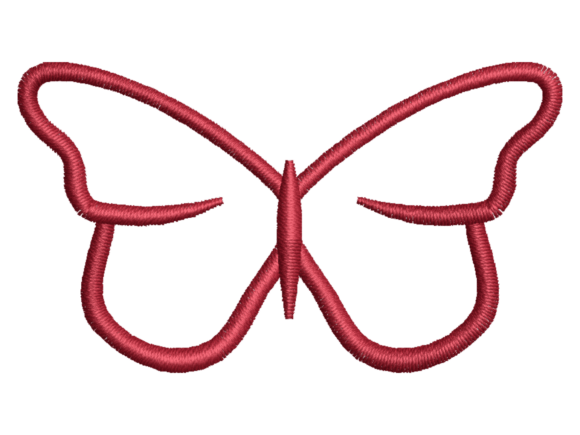
The initial visual assessment of the Minimal Butterfly Outline Embroidery reveals a design that balances elegance with modern simplicity. The description highlights a "sleek" aesthetic achieved through satin stitch outlining. For a brand identity looking to convey professionalism without appearing overly corporate or stiff, this is a winning combination. It feels friendly yet premium, making it suitable for everything from a high-end florist to a cozy artisanal bakery.
In the context of the "Bugs" category, this design stands out by avoiding clutter. Many insect-themed designs can appear cartoonish or too detailed for professional branding. However, the minimalist outline approach ensures that the butterfly remains a subtle accent rather than a distracting focal point. This subtlety is crucial when integrating the design into custom apparel or product labels where space is at a premium.
Real-World Application for Small Business Merch
The true test of any machine embroidery design lies in its versatility across different product types. Based on my analysis, the Minimal Butterfly Outline Embroidery excels in several key areas for small business owners and Etsy sellers.
- Embroidered Patches: This design is ideal for creating custom embroidered patches. Its clean lines translate well to patch backing, allowing for easy application on denim jackets, tote bags, or backpacks. The outline style ensures the edges remain crisp even when trimmed close to the design perimeter.
- Staff Uniforms and Aprons: For service industries like cafes or bakeries, a chest logo is essential. The sleek nature of this butterfly works beautifully as a secondary accent on staff aprons or work shirts. It adds a touch of personality to uniforms without overwhelming the wearer.
- Caps and Headwear: Cap embroidery requires designs that are compact and legible. The minimal structure of this butterfly makes it a strong candidate for cap fronts or side panels, provided the hoop size is appropriate for the curve of the hat.
- Tote Bag Designs: As a tote bag design, this asset offers a sophisticated look that appeals to customers looking for eco-friendly, branded shopping bags. It pairs well with simple typography for a cohesive brand message.
- Product Packaging Accents: Creative studios often use brand identity elements on packaging. This design can be used on hang tags, garment labels, or even as a decorative element on product boxes, elevating the perceived value of the handmade product.
Strategic Branding and Customer Trust
In the competitive landscape of small business merch, visual consistency is paramount. Using a high-quality digital embroidery file like this one signals attention to detail to your customers. A well-executed butterfly outline suggests that the business cares about quality, which directly influences customer trust and recognition. When a client sees a sharp, professionally stitched logo on a finished product, they are more likely to perceive the entire brand as reliable and established.
This design also supports a narrative of natural beauty and organic growth, which resonates strongly with brands in the wellness, pet, or floral sectors. By incorporating this design asset, businesses can create a unified visual language across their physical goods, enhancing buyer engagement and fostering loyalty.
Design Constraints and Areas of Caution
While the Minimal Butterfly Outline Embroidery is versatile, there are specific scenarios where caution is required. An experienced designer knows that a design that looks good on screen does not always translate perfectly to fabric.
Small Patch Sizes: If you intend to create very small patches (under 1.5 inches), the outline may become difficult to distinguish. Satin stitches have a tendency to flatten and merge when scaled down too aggressively. It is vital to test the design at the intended final size before mass production.
Curved Surfaces: Embroidering on cap embroidery projects involves working on a curved surface. While the simple outline reduces complexity, tight curves on the wings might distort if the stabilizer is not chosen correctly. Always ensure the fabric texture allows for proper needle penetration without puckering.
High Stitch Density and Thread Contrast: Depending on the thread colors selected, dark uniforms may cause the outline to disappear if the contrast is low. Conversely, light fabrics with dense stitching can sometimes show a "stitch shadow." It is essential to review thread colors against the base fabric to ensure visibility.
Frequent Washing: For items like aprons or work shirts that undergo frequent industrial washing, the durability of the satin stitch is key. Ensure that the design includes adequate underlay to prevent the top stitches from sinking into the fabric over time.
Practical Designer Notes for Production
To ensure the Minimal Butterfly Outline Embroidery delivers the best results for your commercial projects, follow these practical steps before running a full production batch.
- Test in Black and White: Before committing to a color palette, digitize or preview the design in monochrome. This helps you evaluate the structural integrity and spacing without the distraction of color.
- Check Hoop Size and Stabilizer: Confirm the recommended hoop size for your machine. Using the wrong stabilizer can lead to distortion, especially on stretchy fabrics like t-shirts or caps. Always match the stabilizer weight to the fabric density.
- Inspect Spacing and Density: Look closely at the transition points of the butterfly wings. High stitch density in these areas can cause fabric bunching. If necessary, adjust the density settings in your digitizing software.
- Create a Printable Mockup: Use a printable mockup to visualize the design on actual products like tote bags or hats. This step is invaluable for client approval and helps identify potential layout issues before cutting fabric.
- Verify Commercial Licensing: Before using this design for commercial embroidery projects, double-check the licensing terms. Ensure you have the right to sell products featuring this embroidery design to avoid legal complications.
- Compare with Other Assets: Place the butterfly alongside other design assets in your library. Does it match the line weight and style of your existing logos? Consistency is key to a professional brand image.
Final Thoughts on Design Value
The Minimal Butterfly Outline Embroidery represents a solid investment for small business owners looking to elevate their product offerings. Its sleek, timeless appeal makes it adaptable to various niches, from boutique clothing to event merchandise. By paying attention to technical details like stitch density, fabric texture, and stabilization, designers can ensure that the final output matches the high standards set by the digital preview.
Whether you are creating a unique embroidered patch for a limited edition run or adding a signature touch to a line of apron embroidery, this design provides a foundation for professional branding. Remember that the success of any commercial embroidery project relies on the synergy between the design file and the execution process. With careful planning and testing, the Minimal Butterfly Outline Embroidery can become a standout element in your small business merch lineup, driving recognition and delighting your customers.