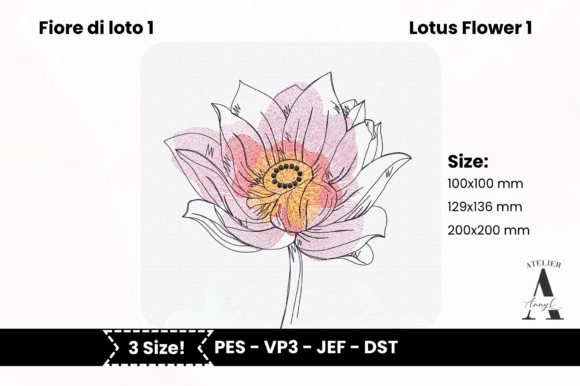
Lotus Flower Line Art Embroidery Design Review
I have spent years reviewing machine embroidery design files for my own boutique line, and I know exactly what separates a pretty image from a best-selling craft fair product. When I first laid eyes on the Lotus Flower Line Art Embroidery Design, I immediately thought about my upcoming weekend booth setup. In a sea of busy patterns and loud colors, this piece offers something distinct: a touch of peace, elegance, and zen aesthetic that modern buyers are desperate to find. As an experienced designer preparing to turn this into tangible goods, here is my professional judgment on how this embroidery file performs in the real world.
First Impressions: The Zen Appeal
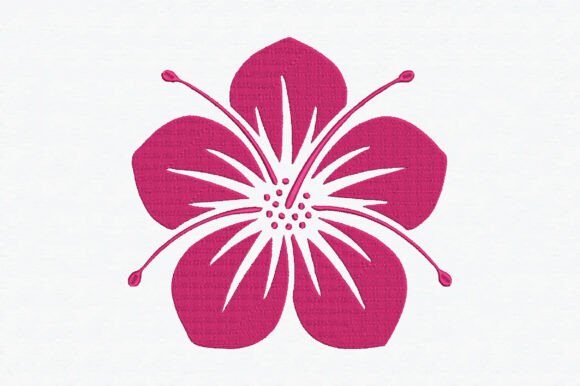
The title and description promise a minimalist modern outline flower, and that is exactly what delivers. This isn't a dense, heavy floral cluster; it is a clean, Outline Flowers style piece that relies on negative space and delicate lines. For a handmade shop owner or an Etsy seller looking to elevate their brand, this design feels premium yet accessible. It strikes a perfect balance between rustic charm and contemporary sophistication. When customers walk past your table, they often gravitate toward items that look "expensive" but feel approachable. This digital embroidery file achieves that vibe instantly. It suggests a lifestyle of calm and intentionality, making it ideal for products targeting wellness enthusiasts, yoga practitioners, and lovers of home decor.
Product Versatility and Market Fit
The true test of any Embroidery design is its adaptability across different mediums. I have mentally mapped out where the Lotus Flower Line Art Embroidery Design would shine in a physical display. First, consider the tote bag design category. A simple lotus outline on a canvas tote is a classic, but the clean lines ensure it doesn't get lost against the fabric texture. It works beautifully as a small accent on the corner of a bag or as a larger focal point on the front panel.
Moving to the kitchen, this design is a natural fit for apron embroidery and tea towel embroidery. The minimalist nature means it won't overwhelm a busy kitchen scene. On a white or linen tea towel, the contrast of thread against the weave creates a subtle luxury that sells well as a gift item. For headwear, the curved surface of a cap can be tricky, but because this design lacks heavy fill stitches, it contours well without puckering. It also translates perfectly to an embroidered patch or a small fabric pouch, which are high-margin items for craft fairs.
I also see strong potential for pillow covers and market bags. These larger canvas areas allow the design to breathe. If you are selling small shop products like gift sets, combining this with other zen elements creates a cohesive collection. The design's simplicity makes it a versatile asset for creating printable mockups for your online listings, allowing you to visualize the final result before cutting a single stitch.
Photography and Visual Appeal
In the digital age, your finished product must photograph well to sell online. The Lotus Flower Line Art Embroidery Design excels here. Because it relies on lines rather than solid blocks of color, it captures light softly, reducing harsh shadows in photos. This is crucial for Etsy sellers who need clear images that show texture without glare. The clean aesthetic ensures that the focus remains on the quality of the stitching, not just the pattern itself. When customers zoom in on your listing, they will appreciate the precision of the outline, which signals high-quality craftsmanship.
Production Practicality and Batch Selling
For a commercial operation, time is money. One of the biggest advantages of this design is its repeatability. The lack of complex density means it stitches up quickly, allowing you to produce batches of commercial embroidery items efficiently. Whether you are making ten aprons or one hundred patches, the workflow remains smooth. It is easy to understand at a glance, which reduces the cognitive load during production runs. You can easily set up a station where multiple designs are stitched in sequence, using the same stabilizer and hoop size adjustments.
However, even a minimalist design requires strategic planning. To ensure the best results, you must evaluate the stitch density carefully. While this design is light, you still need to confirm that the thread count is sufficient to prevent the fabric from showing through too much, especially if you are working with lighter fabrics. Always check the hoop size requirements provided by the designer to ensure the layout fits your specific product dimensions without cutting off parts of the flower.
Critical Use Notes for Success
Before you commit to mass production, there are several practical constraints to keep in mind. If you plan to embroider on thick fabric or textured towels, ensure the needle penetrates cleanly without skipping stitches. Curved surfaces like caps require careful tension control; if the design is too large, it may distort the curve. Similarly, when working with dark fabric, you may need to use a tear-away stabilizer underneath to prevent the back of the design from becoming messy, or choose a thread color that provides enough contrast to stand out against the background.
Another vital consideration is the clarity of tiny details. If you decide to scale this design down significantly for a small pouch or a button, you risk losing the definition of the petals. It is best used as a medium-sized accent or a large focal design. Always test the design on scrap fabric first to see how the thread colors interact with your specific material. If the lines appear too faint, you might need to adjust the satin stitch width or add a slight shadow effect in the digitizing process (if you have those rights).
Designer's Checklist for Launch
To maximize the success of this design asset, follow these essential steps before hitting the market:
- Test on Scrap Fabric: Never skip this step. Verify how the design sits on your actual product materials.
- Check Thread Contrast: Ensure the chosen thread colors pop against the base fabric, whether it is white, black, or earthy tones.
- Review Spacing: Confirm that the margins around the lotus are adequate so the design doesn't look cramped.
- Confirm Hoop Size: Match the design dimensions to your machine's capabilities and your product's usable area.
- Inspect Stitch Density: Look for any gaps or overly tight areas that could cause puckering.
- Use the Right Stabilizer: Choose a stabilizer that supports the fabric weight without adding unnecessary bulk.
- Create Real Mockups: Produce at least one physical sample to photograph for your Etsy listings and social media.
- Compare Fabric Colors: Test the design on multiple fabric shades to find the most appealing combination.
- Confirm Commercial Licensing: Before selling finished products, double-check the license terms associated with the Lotus Flower Line Art Embroidery Design.
This review confirms that the Lotus Flower Line Art Embroidery Design is more than just a pretty picture; it is a strategic tool for building a successful handmade business. Its elegant, minimal style fits perfectly into the current trend of mindful living and artisanal goods. By paying attention to production details and selecting the right products, you can transform this digital file into a standout handmade product that resonates with customers at your next craft fair or online store.