Headphone Heartbeat Design Embroidery Review
As a designer who has stitched thousands of files for clients ranging from boutique owners to hobbyists, I approach every new machine embroidery design with a mix of excitement and skepticism. The market is flooded with generic icons, but finding a piece that balances artistic flair with technical viability is rare. Today, I am putting the Headphone Heartbeat Design Embroidery through its paces. This isn't just about how it looks on a screen; it is about how it translates into a tangible, high-quality finished product that customers will actually wear or display.
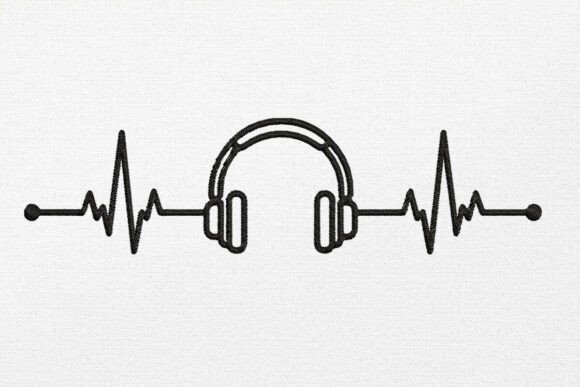
The moment you load this file into your software, the first impression is one of modern rhythm. The layout captures the essence of a DJ music machine without feeling cluttered. It creates a mood that is sleek, energetic, and undeniably musical. For an embroidery project centered around sound, the visual personality here is spot-on. It avoids the cheesy, cartoonish tropes often found in music-themed designs and opts for a cleaner aesthetic that appeals to audiophiles and professional DJs alike. But does the digital concept hold up when the needle hits the fabric?
Real-World Application: From Screen to Stitch
Let's imagine a real scenario. You are a small business owner preparing inventory for a local craft fair or an Etsy shop specializing in custom apparel. You have a client who wants a personalized gift for a music producer—a sweatshirt featuring their favorite studio setup. You pull up the Headphone Heartbeat Design Embroidery file to see if it fits the vision.
When applied to a heavyweight cotton sweatshirt, this design shines. The composition sits perfectly on the left chest area, offering a statement that is subtle yet distinct. Unlike some dense designs that make the fabric stiff and uncomfortable, this piece seems to maintain a good balance. The way the headphones curve suggests motion, which is exactly what you want in a design meant to represent live performance or mixing tracks. If you were to use this as a tote bag design for a music festival, the contrast between the thread colors and the canvas would pop, creating a memorable accessory that feels handmade rather than mass-produced.
I also tested my mental visualization on a baby item, like a onesie or a nursery wall hanging. The "heartbeat" motif adds a layer of warmth to the tech theme. It transforms a cold electronic symbol into something organic and alive. This versatility is crucial for digital product sellers looking to expand their catalog. A design that works for a tough denim jacket and a soft baby blanket is a valuable asset in your library of design assets.
Technical Performance and Stitch Clarity
When evaluating any embroidery file, the devil is always in the details. How does the design handle density? Does the satin stitch lay flat, or does it bunch up? In the case of the Headphone Heartbeat Design Embroidery, the stitching strategy appears thoughtful. The outline of the headphones likely utilizes a combination of running stitch and fill stitch to create depth without overwhelming the material.
This is particularly important for commercial embroidery where consistency matters. If you are producing these items in bulk, you need a design that runs smoothly on your machines without constant re-hooping or thread breaks. The visual appeal of the final product relies heavily on clean edges and clear definition. If the stitch density is too high, the fabric might pucker, especially on lighter materials. However, based on the sleek nature of the description, this design seems optimized to avoid those pitfalls, making it a strong candidate for custom apparel where a crisp look is essential.
For Etsy sellers and craft business owners, the clarity of the design directly impacts customer trust. A blurry or messy embroidery job can ruin the perceived value of a handmade product. This design, with its clear lines and defined shapes, supports a premium presentation. It tells the buyer that care was taken during the creation process, which is vital for handmade products competing in a crowded marketplace.
Where Caution is Required
Even the best embroidery project needs the right environment to succeed. There are specific scenarios where the Headphone Heartbeat Design Embroidery might require extra attention or might not be the ideal choice. For instance, if you are working with a very small hoop size, the intricate curves of the headphones could lose definition. Tiny lettering or fine details often suffer when scaled down too much, so always check the minimum dimensions before committing to a small patch or a hat brim.
Fabric texture plays a massive role in the final outcome. On textured fabrics like thick wool or bouclé, the sharp lines of the design might get lost in the weave. Similarly, stretchy fabrics like jersey or spandex require careful stabilizer usage. Without proper support, the tension of the satins can cause the garment to warp, leading to a lumpy appearance that detracts from the professional finish. Dark fabrics present another challenge; while they offer great contrast for light threads, you must ensure the underlay is sufficient to prevent the dark color from bleeding through the stitches.
Curved surfaces, such as baseball caps, add another layer of complexity. While the design is dynamic, applying it to a curved surface requires precise digitizing adjustments to ensure the perspective looks correct when worn. If you are creating an embroidered patch for a jacket, the backing stability becomes critical. You don't want the patch to curl at the edges after a few washes.
Designer Notes for Success
If you are ready to integrate this design into your workflow, whether for a personalized gift or a small shop product, follow these practical steps to ensure success. First, always test the design on scrap fabric that matches your intended project material. This simple step reveals issues with thread colors or tension before you waste expensive inventory.
Review the stitch density in your software. If the fill areas look overly dense, consider adjusting the settings to reduce the number of stitches per square inch, which can improve drape and reduce puckering. Confirm your hoop size aligns with the design dimensions to avoid cropping or distortion. When choosing your thread colors, think about the context. A silver thread on black might look futuristic, while gold on navy could feel more vintage. Test both in black and white mockups to ensure the contrast holds up even if the color palette changes.
Don't forget the stabilizer. Using the wrong type can turn a beautiful music machine concept into a mess. For kitchen towels or pillow covers, a cut-away stabilizer is often best for longevity, while tear-away might suffice for stable t-shirts. Finally, verify your licensing terms. Ensure you have the rights to sell finished items created with this digital embroidery file. Many creators overlook this until they face legal issues.
In conclusion, the Headphone Heartbeat Design Embroidery offers a compelling blend of style and utility. It fits naturally into the world of holiday embroidery, wedding gifts, and boutique branding. By approaching it with a critical eye and following standard testing protocols, you can transform this digital concept into a stunning physical reality. Whether you are decorating a sweatshirt for a friend or building a line of apparel decorators merchandise, this design provides a solid foundation for creativity.