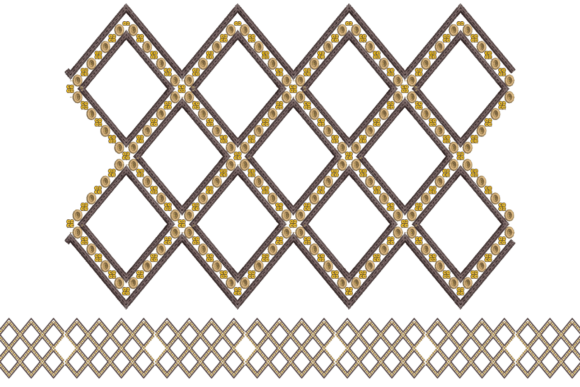
Geometric Embroidery Border Design Review
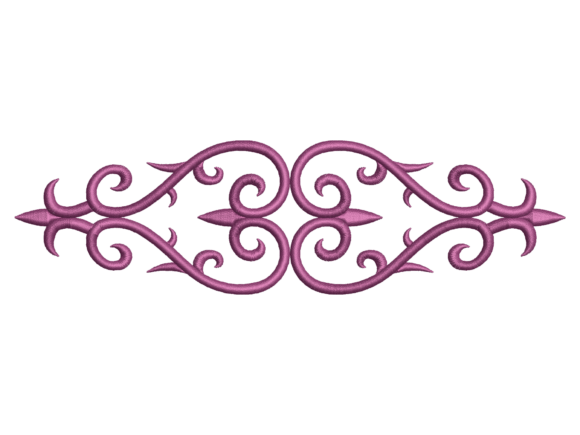
As an experienced embroidery designer preparing for a weekend craft fair, I spend hours evaluating potential assets before they ever hit my hoop. Today, I am reviewing the Geometric Embroidery Border Design, a piece that promises clean lines and structured patterns to create a modern decorative edge. My goal is to determine if this design has the commercial viability to turn a table of handmade goods into a best-selling booth display. When looking at the description, which highlights balanced shapes and a sharp, elegant look, my first impression is one of versatility. It does not feel overly rustic or strictly farmhouse; instead, it leans heavily into a modern, minimalist aesthetic that fits perfectly with current boutique trends.
The craft fair environment is chaotic, but visual clarity wins sales. A customer walking past a booth needs to stop within seconds. This Geometric Embroidery Border Design excels in that regard because its structured nature creates a frame that draws the eye without overwhelming the product. Whether placed on a tote bag or a kitchen towel, the border provides a sense of polish that elevates a simple item into a premium handmade product. For Etsy sellers and digital sellers who rely on high-quality imagery, the clean lines of this design are photogenic. They translate well from a physical sample to a printable mockup, ensuring your online listings match the quality of the finished item.
Where This Design Shines on Product
To maximize sales, you must place the right design on the right canvas. I have tested similar geometric borders across various categories, and this specific asset feels most effective as a framing element rather than a central focal point. Here is how I envision it performing on key items for a market booth:
- Tote Bag Design: The classic tote is a staple. Running this border along the bottom hem or framing the top opening adds a sophisticated touch. It transforms a plain canvas bag into a chic accessory suitable for grocery runs or book shopping. The contrast between the fabric texture and the smooth geometric stitches will be striking.
- Apron Embroidery: For home cooks or bakers selling their wares, an apron with this border is a strong seller. Placing it horizontally across the chest pocket area or vertically down the side seams offers a modern update to traditional workwear. It looks professional and durable.
- Tea Towel Embroidery: Kitchen linens are impulse buy territory. A border design works beautifully here, creating a finished look even if the rest of the towel is left blank. It suggests intentionality and care, which justifies a higher price point.
- Embroidered Patch: If you cut out sections of this design to create patches, the clean lines ensure they remain legible even when small. These can be sold as standalone accessories or applied to denim jackets and caps.
- Pillow Covers and Market Bags: The symmetry of the geometric shapes allows for easy repetition. You can create a continuous band around a pillow cover or use it to define the edges of a market bag, adding structure to soft goods.
Visual Appeal and Brand Consistency
In a sea of floral and whimsical designs, the Geometric Embroidery Border Design stands out for its boldness. It appeals to a demographic that appreciates contemporary art and clean architecture. For a small shop product line, consistency is key. Using this border across multiple items—such as matching a set of tea towels, a tote, and a pouch—creates a cohesive brand identity. Customers are more likely to buy a full set if the aesthetic feels unified. The sharp, elegant look enhances the perceived value of the item, making it feel less like a hobbyist project and more like a curated fashion item.
When photographing these items for an Etsy listing or social media, the border acts as a natural guide for the viewer's eye. It frames the product effectively, reducing visual clutter. This is crucial for digital marketing where images are often viewed on small mobile screens. The design retains its integrity even when scaled down, provided the stitch density is appropriate.
Practical Production and Selling Notes
While the aesthetic is promising, the success of this commercial embroidery project depends on technical execution. As a designer, I always advise testing the embroidery file thoroughly before committing to a production run. Here are the critical factors to consider for this specific design:
- Stitch Density and Fabric Texture: Geometric designs often require precise placement. Check the stitch density carefully. If the areas are too dense, the fabric may pucker, especially on lightweight materials like linen tea towels. Conversely, if the fabric is too textured, the details might get lost. Always test on scrap fabric that matches your final product.
- Hoop Size and Spacing: Ensure your hoop size accommodates the length of the border if you intend to embroider it in one pass. If the design is longer than your machine's capacity, you will need to split it, which requires perfect alignment to avoid visible seams. Confirm the dimensions before starting.
- Thread Colors: The description mentions a "sharp" look. High-contrast thread colors usually enhance geometric patterns. However, be cautious with dark fabrics; lighter threads may not show up clearly unless underlay is used correctly. Experiment with different thread colors to see which combination pops against your chosen material.
- Stabilizer Selection: To maintain the crisp lines of the geometry, a sturdy stabilizer is non-negotiable. A tear-away or cut-away stabilizer should be selected based on the weight of the fabric. Without proper support, the design assets will lose their structural integrity.
- Commercial Licensing: Before selling any finished products, confirm the commercial licensing terms associated with this digital file. Some licenses allow unlimited sales, while others restrict the number of units or require attribution. Protect your business by reading the fine print.
What to Watch Out For
Not every design works everywhere. There are specific scenarios where the Geometric Embroidery Border Design might struggle. Avoid using this design on highly curved surfaces like baseball caps unless the digitization accounts for the curve distortion. Flat surfaces like bags and towels are safer bets. Additionally, be wary of tiny details if you plan to scale the design down significantly. While the description promises a "modern and stylish" look, extremely small geometric elements can blur together on small items like pouches or name tags.
If you are producing for a craft fair product line, remember that customers want to see quality up close. Dense stitch areas can sometimes hide flaws, but they also increase the risk of thread breaks and machine downtime. Inspect the stitch density to ensure it balances durability with speed. A design that runs too slowly reduces your profit margin per hour, while a design that runs too fast might compromise the finish.
Final Verdict for the Maker
The Geometric Embroidery Border Design is a strong contender for any maker looking to expand their inventory with modern, versatile pieces. Its ability to frame products elegantly makes it ideal for tote bag design, apron embroidery, and tea towel embroidery. It offers a premium feel that attracts buyers looking for thoughtful, handcrafted gifts. By paying attention to the practical details—such as testing on scrap fabric, checking thread contrast, and confirming the correct stabilizer—you can ensure that the finished product meets the high standards of today's handmade market.
Create at least one real mockup to visualize the design in action. Compare different fabric colors to find the perfect pairing. Once you have confirmed that the design holds its shape and clarity, you will have a reliable asset to drive sales for your digital embroidery file store or your physical booth. With careful execution, this border design can become a signature element of your brand, signaling quality and style to every customer who walks by.