Cute Boy Teddy Embroidery Design Review
When I first opened the files for the Cute Boy Teddy Embroidery Design, my immediate thought wasn't about the stitch count or the file formats. It was about the feeling it evoked. There is a specific kind of warmth that comes from a well-executed character design, and this one hits that mark instantly. As someone who has spent years evaluating digital assets for commercial use, I look for designs that translate seamlessly from a screen to a physical object. This design creates an atmosphere of cozy innocence, making it a natural fit for nursery decor, baby clothes, and personalized gifts. It feels like a design that belongs in a boutique, not just on a hobbyist's hooped fabric.
The First Stitch: Visual Personality and Mood
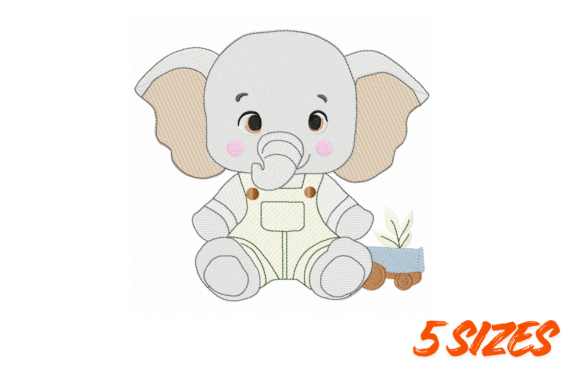
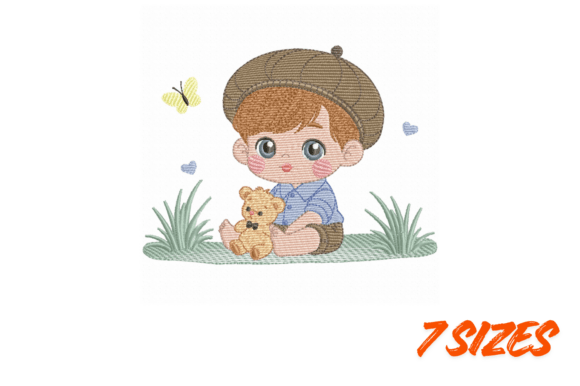
The layout of the Cute Boy Teddy Embroidery Design strikes a balance between simplicity and charm. The composition centers around the interaction between the child and the bear, which gives the piece a narrative quality even before it is stitched. For a designer looking to create a cohesive brand identity, this is crucial. The shapes are rounded and soft, avoiding sharp angles that might feel out of place on a baby onesie or a toddler's hoodie. When I imagine this design on a light-colored background, the visual personality shines through as gentle and inviting. It suggests a handmade product that carries emotional value, which is exactly what customers want when they purchase items for their children or as special presents.
The detail level appears appropriate for machine embroidery without risking clutter. A common mistake in digital design files is over-complicating the imagery, leading to muddy stitching results. Here, the lines seem clean enough to render well with standard satin and fill stitches. The overall aesthetic screams "custom apparel" suitable for small business owners who need reliable design assets to scale their operations. Whether you are an Etsy seller creating a new listing for holiday gifts or a craft fair vendor preparing booth displays, this design offers the professional polish needed to build customer trust.
Real-World Application: From Digital File to Finished Product
Let me take you through a practical scenario where I would deploy this design. Imagine you are preparing a custom embroidered tote bag for a local baby shower event. You have selected a sturdy canvas tote, and now you need a focal point that resonates with the theme. The Cute Boy Teddy Embroidery Design fits perfectly here. Because the subject matter is gender-neutral enough to be adapted but clearly targets the "Boys" category, it serves as an ideal centerpiece for a gift set.
In this real-life context, the design's versatility becomes apparent. If you were to stitch this onto a sweatshirt, the density of the fills would likely provide a nice texture against the fleece, creating a tactile experience that enhances the perceived value of the item. For a pillow cover, the soft curves of the teddy bear would complement the plushness of the fabric, making it a standout piece in a nursery. I also see strong potential for an embroidered patch application on a denim jacket or a cap, provided the edges are finished correctly. The design works equally well as a standalone motif or as part of a larger collection of design assets for a shop specializing in handmade products.
However, success depends on execution. When I reviewed how this might perform on a tea towel or a kitchen apron, I considered the washing frequency. While the design is adorable, the longevity of the embroidery relies heavily on proper stabilizer usage and thread selection. For a small shop product intended for frequent use, ensuring the stitch density is sufficient to prevent fabric puckering is essential. The design should hold up to the rigors of daily life while maintaining its crisp appearance, which is a key factor in buyer engagement and repeat business.
Navigating Technical Challenges and Limitations
While the Cute Boy Teddy Embroidery Design is promising, every experienced embroiderer knows that the devil is in the details. There are specific scenarios where caution is required. If you plan to use this on a small hoop size, such as a 4x4 inch frame, you must verify that the intricate details of the boy's face and the bear's features do not get lost. Tiny lettering or very fine decorative accents often suffer when scaled down too much, resulting in a blurry or undefined finish.
Fabric choice plays a massive role in the final outcome. On textured fabrics like heavy terry cloth or thick corduroy, the design might sink into the material, losing some of its definition. Similarly, working with stretchy fabrics like jersey knit requires extra attention to stabilizers to prevent distortion during the stitching process. Dark fabrics present another challenge; if the design relies on light thread colors, the contrast might not pop as effectively unless a high-quality underlay is used. Layered garments, such as a sweatshirt with a pocket, can complicate the placement, especially on curved surfaces like caps where the hoop geometry changes.
I also advise paying close attention to dense stitch areas. If the design includes large blocks of fill stitch, running them at high speeds on thin fabric could lead to pulling or perforation. Before committing to a full production run, testing the design on scrap fabric is non-negotiable. This step allows you to check thread color contrast and ensure the stabilizer provides adequate support. If you are planning to sell finished items commercially, confirming the licensing terms is equally critical to avoid legal issues later.
Designer Notes for Professional Results
To get the most out of this Cute Boy Teddy Embroidery Design, I recommend a systematic approach to preparation. Start by reviewing the stitch density settings in your digitizing software. Adjustments may be necessary depending on your specific machine capabilities and the type of thread you intend to use. Inspect the small details closely to ensure they will stitch cleanly; sometimes, minor tweaks in the digitization phase can save hours of troubleshooting on the machine.
Testing in black and white mockups can help you visualize the design's silhouette and balance without the distraction of color. Compare how it looks on both light and dark fabric backgrounds to determine the best thread palette. Using the proper stabilizer is perhaps the most important technical step. For baby embroidery projects, stability is key to preventing irritation on delicate skin, so a cut-away stabilizer is often preferred over tear-away for durability.
If you are an Etsy seller or a creative entrepreneur building a catalog, consider how this design fits into your broader brand consistency. Does it match the vibe of your other listings? Can it be easily adapted for printable mockups to showcase on your website? The Cute Boy Teddy Embroidery Design has the potential to be a flagship item for your shop, driving recognition and sales. However, always confirm whether the license covers commercial use for finished goods or if there are restrictions on reselling the digital file itself. By treating this project with the same rigor as any client work, you ensure that the final product reflects the professionalism your customers expect.
Ultimately, the decision to use this design comes down to practical judgment. It is a charming, well-composed asset that, when executed with care, can elevate a simple garment or accessory into a cherished keepsake. Whether you are crafting a holiday gift for a friend or stocking your boutique with trendy baby items, this design offers a solid foundation for your next embroidery project. Just remember to test, adjust, and always prioritize the quality of the finished product.